The UEFA Futsal Champions League final tournament in 2026 is already shaping up to be one of the most anticipated events in the international futsal calendar. Even though the decisive matches are still ahead, clubs, players, coaches, and fans are closely following every confirmed detail and early indicator. The competition has grown significantly in prestige over the last decade, and the 2026 edition is expected to further underline futsal’s status as a fast-growing, elite-level sport in Europe. This article brings together everything that is already known and logically expected about the final tournament, based on UEFA regulations, recent trends, and the evolving competitive landscape.
Tournament Format and Structure in 2026
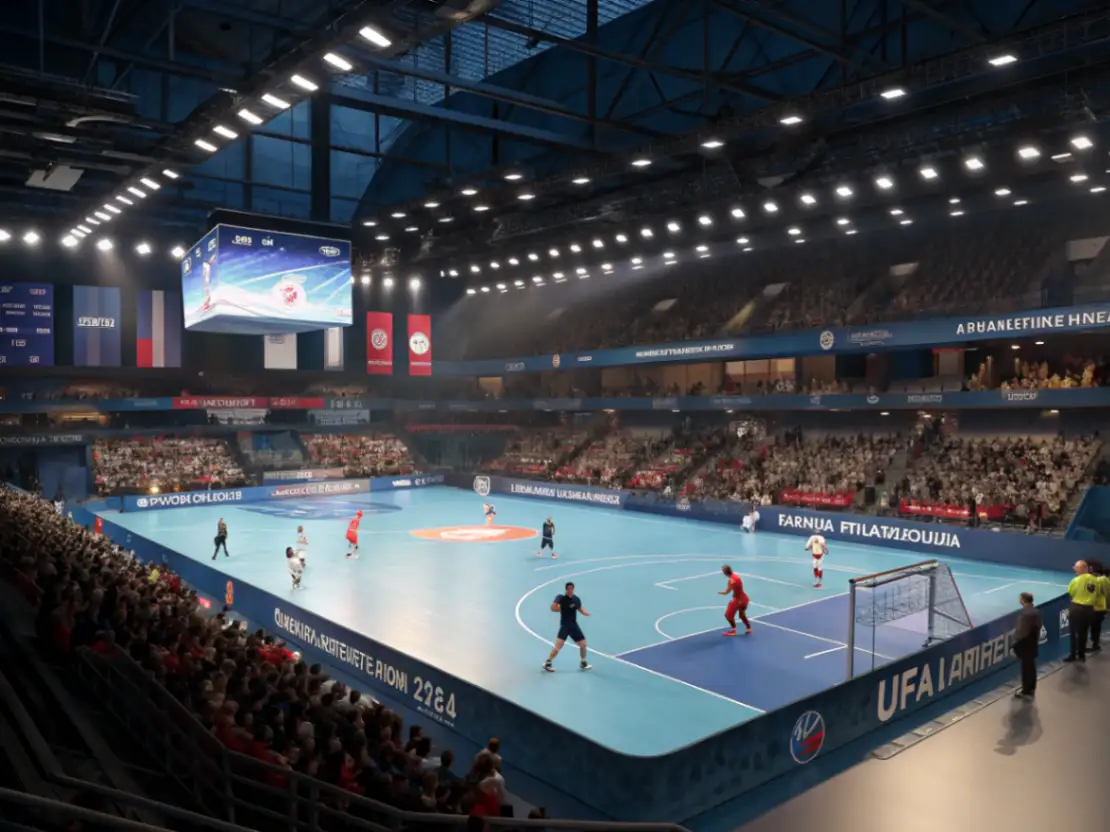
The UEFA Futsal Champions League final tournament traditionally represents the culmination of a long and demanding season. By 2026, the format is expected to remain consistent with the refined structure introduced in recent editions, which balances competitive fairness with broadcast appeal.
The final tournament features the four strongest teams emerging from the elite rounds. These teams qualify after navigating domestic championships, preliminary rounds, main rounds, and elite stages that test squad depth and tactical flexibility. The final stage itself is compact, intense, and unforgiving, consisting of two semifinals, a third-place match, and the final.
One of the defining features of the final tournament is the short preparation window between matches. Teams must adapt quickly, rotate intelligently, and maintain peak physical condition. This compressed format has proven to reward clubs with experienced coaching staffs and well-balanced squads rather than those relying solely on individual brilliance.
In 2026, UEFA is expected to continue prioritizing competitive balance, meaning no major structural overhauls are anticipated. However, subtle adjustments in scheduling and match-day operations may be introduced to improve player recovery and fan engagement.
Host City and Venue Expectations
While the official host city for the UEFA Futsal Champions League final tournament 2026 may not yet be confirmed, UEFA’s selection criteria provide strong clues about what to expect. Host cities are typically chosen based on futsal infrastructure, accessibility, fan culture, and the ability to deliver a high-quality event experience.
Modern indoor arenas with capacities ranging from 5,000 to 10,000 seats are ideal, as they create an intense atmosphere while remaining suitable for television production. UEFA has increasingly favored venues with advanced lighting systems, high-definition broadcasting capabilities, and adaptable flooring that meets futsal-specific standards.
Beyond the arena itself, the host city plays a key role in the tournament’s success. Efficient transport, accommodation capacity, and a local futsal community contribute significantly to the overall impression of the event. By 2026, UEFA’s strategy is likely to emphasize cities that can turn the final tournament into a multi-day futsal festival rather than just a series of matches.
Qualified Teams and Competitive Landscape
The competitive landscape of European futsal has become deeper and more unpredictable in recent years. While traditional powerhouses from Spain, Portugal, and Eastern Europe remain dominant, clubs from emerging futsal nations are increasingly capable of challenging for a place in the final tournament.
Qualification for the 2026 finals will once again highlight the tactical diversity of European futsal. Spanish teams often rely on positional play and ball control, Portuguese sides emphasize intensity and pressing, while Eastern European clubs bring physicality and direct attacking transitions.
At this stage, it is reasonable to expect a mix of established contenders and potential first-time finalists. This dynamic keeps the tournament fresh and increases its global appeal. Midway through the competition narrative, it is worth highlighting the core factors that typically define teams capable of reaching the final stage.
Before listing these elements, it is important to note that success at this level is rarely accidental. Clubs that consistently reach the final tournament usually combine several long-term strategic strengths:
- Stable domestic dominance that allows rotation during national competitions.
- Deep squads with experienced international players.
- Coaches with proven futsal-specific tactical systems.
- Strong youth development feeding into the first team.
- Psychological resilience in high-pressure knockout matches.
These factors do not guarantee qualification, but they significantly increase a club’s chances of competing at the highest European level. After understanding these components, it becomes clearer why the same clubs often appear in the later stages while others struggle to maintain consistency.
Match Schedule and Key Dates
Although exact dates for the UEFA Futsal Champions League final tournament 2026 will be announced closer to the event, the traditional calendar provides a reliable framework. The final tournament is typically held in late April or early May, aligning with the conclusion of most domestic futsal leagues.
This timing allows clubs to field their strongest available squads while minimizing conflicts with national team commitments. The schedule usually spans four days, with semifinals played on the opening day, a rest or media day in between, and the final and third-place match concluding the tournament.
Below is a projected overview of how the final tournament schedule is likely to look, based on recent editions. This table is provided for orientation purposes and reflects UEFA’s established organizational patterns.
| Stage | Expected Timing | Match Details |
|---|---|---|
| Semifinal 1 | Day 1 | Elite Round Qualifier A vs B |
| Semifinal 2 | Day 1 | Elite Round Qualifier C vs D |
| Rest / Media Day | Day 2 | Training and press activities |
| Third-Place Match | Day 3 | Semifinal losers |
| Final | Day 3 | Semifinal winners |
This structure ensures maximum visibility for each match while giving teams limited but valuable recovery time. After reviewing the schedule, it becomes evident why squad management and recovery strategies are crucial elements of success at this stage of the competition.
Tactical Trends and Playing Styles
The UEFA Futsal Champions League final tournament has become a showcase for the most advanced tactical ideas in the sport. By 2026, several trends are expected to continue shaping elite-level futsal.
High pressing remains a defining feature, with teams aggressively contesting possession in advanced areas. This approach demands exceptional fitness levels and precise coordination, as a single mistake can lead to immediate scoring opportunities for the opposition.
Another key trend is the increasing importance of the flying goalkeeper system. While once considered a high-risk strategy used only in desperate situations, it has evolved into a structured tactical weapon. Top teams now deploy it selectively, often to control tempo rather than simply chase goals.
Defensively, compact zonal systems with rapid transition capabilities dominate the elite stage. Teams prioritize minimizing space between lines while remaining ready to counterattack within seconds of regaining possession. This balance between discipline and explosiveness defines modern championship-level futsal.
As tactical sophistication increases, individual player roles have become more specialized. Fixos are expected to initiate attacks, pivots must contribute defensively, and wings are required to combine creativity with relentless work rate. The final tournament magnifies these demands, as even minor tactical mismatches are quickly exploited.
Media Coverage, Broadcasting, and Fan Engagement
By 2026, media coverage of the UEFA Futsal Champions League final tournament is expected to reach new levels. UEFA has consistently expanded its digital and broadcast footprint, making elite futsal more accessible to global audiences.
Live broadcasts across multiple platforms, including traditional television and streaming services, ensure that fans can follow every moment regardless of location. Enhanced camera angles, on-screen analytics, and expert commentary contribute to a more immersive viewing experience.
Fan engagement also extends beyond matchdays. Social media campaigns, behind-the-scenes content, and interactive features allow supporters to connect with teams and players on a deeper level. For the final tournament, UEFA typically intensifies these efforts, turning the event into a focal point for the futsal community.
On-site fan experiences are equally important. Pre-match activities, youth tournaments, and fan zones help transform the final tournament into a celebration of the sport. This holistic approach reflects UEFA’s long-term vision for futsal as a mainstream indoor sport with a strong cultural identity.
Conclusion
The UEFA Futsal Champions League final tournament 2026 promises to deliver elite competition, tactical innovation, and a vibrant fan experience. Even at this early stage, the structure, expectations, and trends surrounding the event highlight its growing importance within European sport. As teams continue their qualification journeys and UEFA reveals more official details, anticipation will only intensify. For players and supporters alike, the 2026 final tournament is set to be a defining moment in the ongoing evolution of top-level futsal.